





Ladbrokes Withdrawal Times: The 3-Step Route
You cash out after a close finish and expect the money before the kettle boils. You refresh, then refresh again, and it feels frozen. In practice, payout timing is a relay with handoffs.
Most requests move through three stages: platform checks, payment-rail transit, and posting on the receiving side. In 2026, more of this flow is automated, but timing still depends on the method and your provider. Each stage can be quick, or it can slow down because of cut-offs, weekends, or extra verification. These services are intended for adults of legal wagering age in Australia, so identity and security prompts are part of the normal flow.
Platform Review: What Gets Checked
Picture a player who logs in from a new phone and immediately requests a payout. That can look risky, so the system may add a confirmation step. The fastest route is usually the calm one.
Typical triggers are first-time cash-outs, newly added payment details, profile edits, or repeated login attempts. When you see a prompt in your account messages, complete it once with clear information and then let the process run. Re-submitting the same request can create duplicate entries and slow everything down.
Provider And Bank Posting: The Quiet Middle
Now imagine your request is approved, yet your bank shows nothing. Often the transaction has already left the platform and is waiting for your provider to post it. Some banks update in batches, others show a pending line first, and weekends or public holidays can stretch this stage.
If you want clarity, open the transaction detail view and note the timestamp when it moved beyond platform checks. From there, repeated clicks rarely help - planning and patience do.
Set Up Your Account Once, Then Cash Out Smoothly
Think of this as the two-minute setup that saves you a two-day headache. Imagine entering bank digits on a small screen while distracted - one wrong number can lead to a failed transfer or a reversal.
Keep your profile consistent with your payment provider: name, address, and reachable contact details. If verification is requested, do it early, not only when you need funds urgently. Also, avoid rapid changes (password, email, method details) right before a payout request, because that pattern can trigger extra checks.
Details That Commonly Trigger A Pause
Imagine your surname spelling differs from your bank profile, or your address is missing a unit number. Those mismatches are exactly what checks are designed to flag. Fix them before you submit.
Quick scan before requesting money:
- Personal details complete and consistent.
- Payment details correct and active.
- You can receive confirmation codes.
- Stick to one primary device during the process.
If you are testing a new method, start with a small amount to confirm the route works and to learn any limits without stress.
Picking A Payout Method That Matches Your Life
Two friends cash out on the same night. One uses a method that posts quickly midweek, the other chooses a route that prefers business-day windows. Same platform, different experience - because “fast” depends on the rail and the receiving provider.
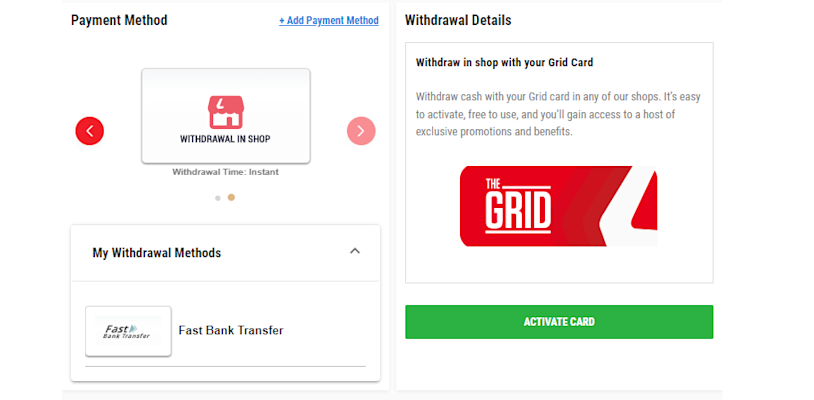
Choose the method you can track and predict, ideally one you already use. The comparison below focuses on where friction typically appears, not on promises.
Method Type | Where Slowdowns Usually Happen | What You Can Do | Best For | Planning Tip |
|---|---|---|---|---|
Bank transfer route | Business-day windows, bank posting cycles | Double-check account digits, keep profile stable | Larger, planned payouts | Submit earlier in the day |
Card return | Issuer posting routines, replaced cards | Use an active card, avoid last-minute edits | Convenience and familiarity | Expect variability by bank |
E-wallet option | Wallet verification, inbound limits | Verify wallet early, watch caps | Quick visibility and tracking | Keep a buffer for limit resets |
Alternative payout method | Method-specific rules, extra prompts | Follow instructions exactly | Niche preferences | Test with a small amount first |
Card Returns: Convenient, Issuer-Dependent
Picture a player who cashes out to a card they replaced recently. Approval appears, then nothing, then a reversal later. Issuers post differently, and card changes can affect routing.
If you prefer a card route, keep it simple: use one active card consistently, avoid switching details right before requesting funds, and remember your bank may post overnight. When it feels slow, check whether the request shows as sent out, then give your bank a normal posting window.
Bank Transfer Routes: Predictable, Business-Day Driven
Imagine submitting a transfer late Friday and needing the money Saturday. Even with quick approval, the bank side may treat it as the next business window. That is why bank routes can feel slower, but they are often predictable once you learn the schedule.
Enter details carefully, avoid edits mid-process, and build buffer time around weekends and holidays. Many regular players time requests earlier in the week to reduce uncertainty.
Wallet Options: Fast Updates, Extra Limits
A wallet can update instantly when you pay in a shop, so you expect the same for incoming funds. Often it is quick, but wallets may add holds for incomplete verification or for amounts that hit limits.
Verify the wallet early, keep the wallet profile stable, and watch inbound caps. If you are moving a larger sum, splitting into smaller requests can sometimes be smoother than forcing one big transaction through a tight limit.
Typical Holds And How Players Clear Them
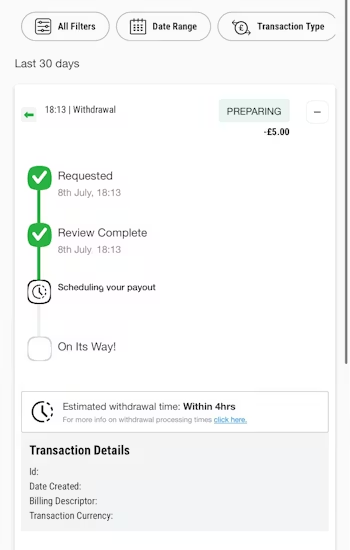
Your request sits in review longer than expected and you start blaming yourself. Most holds are routine and fixable. Imagine trying to “outsmart” the delay by cancelling and resubmitting - you often create duplicates and extend the wait.
The better approach is to identify the hold type and address it directly: verification, method validity, or balance eligibility. Then keep everything steady until the request updates.
One more common scenario is a method mismatch. Imagine you deposited with one route, then try to cash out to a completely new route without setting it up properly. Some systems will ask for extra confirmation, and some providers may reject the transfer if names or account types do not align. If you want fewer interruptions, keep deposits and payouts on a consistent rail when possible, and only introduce a new method when you have time to test it calmly.
Verification Requests Without The Drama
You expected a simple payout and suddenly you are asked for a document. That feels personal, but it is usually routine. A clear upload helps more than repeated messages.
Use good lighting, capture the full document, avoid glare, and upload only what is requested. After that, give the review time to finish. Constant re-uploads can reset the queue.
Bonus And Offer Conditions That Lock Funds
Imagine you used a promotion, placed a few bets, then tried to cash out the entire balance. Some offers can keep part of the balance restricted until conditions are met, which looks like a delay when it is actually an eligibility check.
Look for how the balance is separated (available versus restricted). If you want fewer surprises, avoid stacking multiple offers at once and keep track of what you accepted.
Timing Tricks For Weekends, Cut-Offs, And Busy Days
You need funds for a bill and you request a payout at the last possible moment. That is when every cut-off feels like a trap. The smarter move is logistics: submit earlier, avoid last-minute changes, and leave a cushion.
Some routes move continuously, others move in cycles. That is why two requests on the same date can land on different days. If you want movement before the weekend, request earlier on a weekday. If a public holiday is close, assume an extra quiet day on the receiving side.
Also, avoid doing every change in one session. New device + password reset + new method + payout request is a classic combo that triggers extra checks.
Fees, Limits, And Record-Keeping That Saves You Later
You withdraw a round number and your bank shows a different number. It is easy to assume the platform took something, but differences often come from the receiving side: bank fees, wallet fees, or conversion settings.
Limits matter too: minimums, maximums, daily caps, and inbound restrictions can force a split request or cause a reversal. The best defence is a tiny record: date, amount, method type, and the status you saw.
A Simple Tracking Habit That Stops Guessing
Imagine you contact support and cannot remember whether you submitted at 10:05 or 12:05. A short note avoids that. Keep timestamp, amount, method type, and any reference number shown in history. No sensitive screenshots needed.
After a few payouts, your notes reveal a pattern like “my bank posts overnight” or “wallet posts faster midweek,” and you stop guessing.
Support Conversations That Actually Move Things
You message support with “Where is my money?” and get generic steps. Instead, imagine you are helping them locate a parcel: you provide the exact shipment details, not just frustration.
Send four items: submission time, amount, method type, and the current status label from your history. Add one context line, like “first payout” or “new method added this week.” If verification is needed, complete it through the platform’s own process and avoid oversharing extra personal data.
Keep one ticket per request. Multiple threads for the same payout can slow resolution because work gets duplicated.